

Copper vs Aluminium Wires: Which One Should You Choose?

If you have ever shopped for electrical wires, you have probably come across two common choices: copper and aluminium. Both are used to carry electricity, but they are not the same. They differ in conductivity, cost, safety, and lifespan. Choosing the wrong one can affect your safety and your electricity bill.
In this guide, we will break down the real facts about copper and aluminium wires. No jargon, no confusion, just clear, evidence-based information to help you pick the right wire for your home or business.
This comparison is based on well-established electrical standards, such as the International Annealed Copper Standard (IACS), and on guidelines commonly followed by electricians and cable manufacturers. Whether you are rewiring a home, setting up a new office, or working on an industrial project, understanding these basics will help you make a confident, well-informed decision.
What Are Copper and Aluminium Wires?
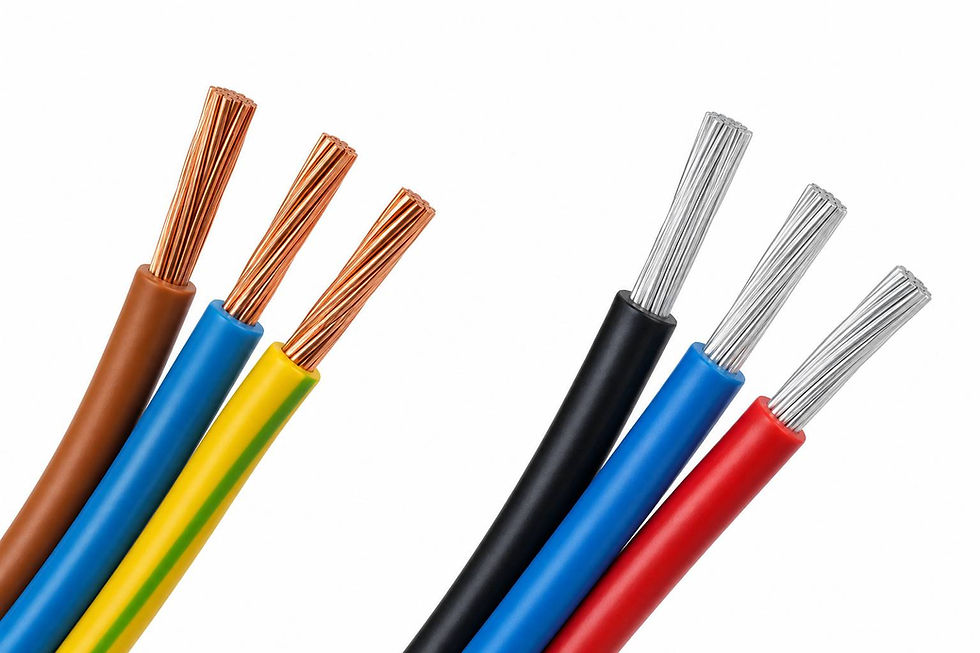
Copper and aluminium are the two metals most commonly used to make electrical wires and cables. Both conduct electricity well, but copper has been the traditional choice in homes for decades. Aluminium is lighter and cheaper, so it is often used for large power lines and heavy-duty installations.
Eleczo's wires and cables range includes both types, sourced from trusted manufacturers, so you can compare options in one place before you buy.
Electrical Conductivity: Copper Wins by a Clear Margin
Conductivity is how easily electricity flows through a material. This is measured against a standard called IACS (International Annealed Copper Standard), where pure copper is set at 100%.
Copper conductivity: 100% IACS (the benchmark)
Aluminium conductivity: about 61-62% IACS
This means copper carries more current through the same wire thickness compared to aluminium. To match copper's performance, an aluminium wire needs a larger cross-section, roughly one and a half times thicker. That is why aluminium cables often look bulkier for the same electrical load.
Why does this matter in practice? A thinner copper wire can be used in tighter spaces, like conduits behind walls or inside distribution boards, without sacrificing performance. Higher conductivity also means less energy is wasted as heat while electricity travels through the wire, so copper wiring tends to run cooler under similar loads.
If conductivity and long-term performance matter most to you, browse Eleczo's copper wires for a reliable, high-conductivity option.
Weight and Flexibility
Aluminium is about one-third the weight of copper. This makes it easier to handle in long-distance power transmission, where reducing the load on poles and towers matters a lot.
Copper, on the other hand, is denser but more flexible and ductile. It bends easily without breaking, which makes it easier to install in tight spaces like switchboards, junction boxes, and home wiring conduits. Aluminium wires are stiffer and can crack if bent repeatedly.
Cost Comparison: Aluminium Is Cheaper Upfront
Aluminium is significantly cheaper than copper, sometimes less than half the price for the same length. This is one reason aluminium is popular for large-scale projects like overhead power lines, where cost savings across kilometres of cable add up fast.
But cost is not just about the purchase price. Because aluminium is less conductive, you need thicker cables to carry the same load, which adds back some of the savings. Copper wires also tend to last longer, which lowers the cost of replacement and maintenance over time.
Think of it as an upfront cost versus a lifetime cost. Aluminium wiring may save money on day one, but if it needs more frequent maintenance, larger conduit sizes, or specialised connectors, those costs add up. Copper wiring costs more initially but tends to need less attention over the years, which many homeowners find worth the trade-off for wiring that is difficult and expensive to access once it is behind walls.
Safety: Where the Real Difference Shows Up
This is the part that matters most for your home. Safety in wiring is not just about the metal itself, but also about oxidation, heat resistance, and how well the wire is insulated.
Oxidation and Loose Connections
Aluminium forms an oxide layer on its surface when exposed to air. Unlike copper oxide, aluminium oxide does not conduct electricity well. This oxide layer can build up resistance at joints and terminals, leading to overheating over time. Aluminium also expands and contracts more with temperature changes, which can loosen connections at switches and sockets. This is a known cause of electrical faults in older aluminium-wired homes.
Copper does not have this problem to the same extent. It resists corrosion better and holds tight connections for longer, which is one reason electricians usually recommend copper for internal home wiring.
Insulation Matters Just as Much as the Metal
Whichever metal you choose, the outer insulation plays a big role in fire safety. Good quality PVC insulation is designed to resist heat and slow down the spread of fire in case of a short circuit.
Standard PVC insulated wires: PVC FR wires offer flame-retardant protection for everyday home and office wiring.
Extra fire safety: PVC FRLS wires are flame-retardant and low smoke, which is important in enclosed spaces where smoke can be more dangerous than the fire itself.
Highest safety standard: PVC FRLSH wires add low toxicity and low halogen properties, reducing harmful fumes during a fire.
Eco-friendly and fire-safe: HFFR wires are halogen-free flame-retardant, a good fit for hospitals, schools, and public buildings where fume safety is critical.
Durability and Lifespan
Copper wires typically last 50 to 100 years when installed correctly, which is why so many old buildings still have working copper wiring. Aluminium wiring tends to have a shorter practical lifespan in indoor use because of oxidation and connection issues, though it performs well in outdoor and industrial settings where it is designed and maintained for that purpose.
For raw, uncoated conductor needs in industrial or earthing applications, Eleczo also stocks bare copper cables and wires, known for strong corrosion resistance and long service life.
Where Copper and Aluminium Wires Are Commonly Used
Both metals have their place. The right choice depends on the application, not just the price tag.
Home and office wiring: Copper is the standard choice for safety, reliability, and easy installation.
Overhead power transmission: Aluminium is preferred for its light weight and lower cost over long distances.
Industrial machinery and control panels: Copper is preferred for its stable connections under vibration and heat.
Underground and armoured cables: Both are used, depending on load requirements and budget.
Beyond basic power wiring, copper conductors also show up in specialised signal cables. For instance, coaxial cables use a copper conductor for clear signal transfer in TV, CCTV, and networking setups, a different job from the power wiring this guide focuses on, but built on the same conductivity principles.
How to Tell Which Wiring You Already Have
If you live in an older home and are not sure what type of wiring is behind your walls, there are a few simple clues. Copper wire has a reddish-brown, shiny surface when new, and darkens to a dull brown over time. Aluminium wire looks silvery-grey and is noticeably lighter when you hold a cut piece in your hand.
The safest way to confirm your wiring type is to check the markings on the cable insulation, which usually state the conductor material, or to ask a licensed electrician to inspect your distribution board. This is especially important before adding new circuits, since mixing wire types incorrectly at a junction can create the oxidation and heating issues described above.
Copper vs Aluminium Wires: Quick Comparison
Feature | Copper Wire | Aluminium Wire |
Conductivity | 100% IACS | About 61-62% IACS |
Weight | Heavier | About one-third the weight of copper |
Cost | Higher | Lower upfront cost |
Flexibility | Very flexible, easy to bend | Stiffer, prone to cracking |
Corrosion resistance | Good | Forms an insulating oxide layer |
Typical lifespan | 50-100 years | Shorter in indoor wiring use |
Best for | Home and office wiring | Overhead and long-distance power lines |
So, Which One Should You Choose?
For most homes and offices, copper is the safer and more reliable choice. It handles heat better, holds connections tightly, and has a long track record of safe performance. Yes, it costs more upfront, but the extra safety and lifespan usually make it worth the investment, especially for wiring inside walls that is hard to replace later.
Aluminium makes more sense for large-scale, outdoor, or long-distance applications where weight and cost savings matter more than fine electrical margins, and where the installation is designed and maintained by professionals for aluminium's specific requirements.
Whichever you choose, always buy from a trusted source. Eleczo is a trusted online store for genuine electrical products, including copper and aluminium wires, switches, and cables that meet Indian safety standards. Every product is sourced from verified brands, so you get what you pay for, with no compromise on quality or safety.
Final Thoughts
Copper and aluminium both have a place in electrical wiring. Copper offers better conductivity, safety, and durability, making it the preferred choice for homes and offices. Aluminium offers a lighter, more affordable option for large-scale and outdoor power transmission.
The right decision comes down to where the wire will be used, your budget, and long-term safety needs. Whatever you decide, make sure you buy from a reliable supplier who offers genuine, certified products.
Explore the full range of electrical wires and cables on Eleczo and find the right fit for your project, backed by quality assurance and expert support.
Frequently Asked Questions
Is aluminium wiring safe for homes?
Aluminium wiring can be used safely if it is installed with connectors and terminals rated for aluminium, and if connections are checked periodically. However, most electricians recommend copper for indoor home wiring because it is less prone to oxidation and loose connections.
Why is copper more expensive than aluminium?
Copper is a denser, more conductive metal, and it costs more to mine and refine. Its higher conductivity also means you need less material to carry the same current, which partly offsets the higher price per unit.
Can I mix copper and aluminium wires in the same circuit?
It is best to avoid this unless you use connectors specifically rated for both metals, such as AL-CU rated connectors. Directly joining copper and aluminium without the right hardware can cause corrosion and overheating at the joint.
Which wire type is better for reducing electricity loss?
Copper generally results in lower energy loss because of its higher conductivity, especially over shorter distances like inside a building. Aluminium can perform well over long distances too, but it usually needs a larger cable size to match copper's efficiency.
How often should aluminium wiring be checked?
If your property has aluminium wiring, it is a good idea to have a licensed electrician inspect connections at switches, outlets, and the distribution board every few years. Look out for warm switch plates, flickering lights, or a burning smell, and get these checked immediately, since they can indicate a loose or oxidised connection.


Comments