

Bare Copper vs Tinned Copper Conductors: Key Differences

If you have ever shopped for electrical wires and cables, you may have noticed two common terms: bare copper and tin-plated copper. Both look almost the same at first glance. But they behave very differently once you start using them.
Choosing the wrong one can affect how long your wiring lasts, how safe it is, and how much you spend on repairs later. In this guide, we will break down the real differences between bare copper and tin-plated copper conductors in simple, easy-to-understand language.
By the end, you will know exactly which type suits your home, office, or industrial project, and how to avoid a costly mistake down the line.
Why the Conductor Material Matters So Much
Every electrical wire has two main parts: the conductor (the metal that carries current) and the insulation (the outer protective layer). Most people focus only on the insulation, thinking it does all the protecting work.
But the conductor itself plays a huge role in how well a wire performs over the years. A poor-quality or unsuitable conductor can lead to power loss, overheating, and early failure, even if the insulation looks fine on the outside. That's why understanding bare copper and tin-plated copper is so useful before you buy your next batch of wires.
What Is Bare Copper Wire?

Bare copper is pure copper with no coating on it. It has a natural, shiny, orange-red color. This is the most common type of conductor used in electrical wires and cables because copper is an excellent conductor of electricity. In fact, copper is one of the best conductors of electricity, second only to silver.
Bare copper is soft, flexible, and easy to work with. It is widely used in homes, offices, and general indoor wiring where the wires are protected from moisture and harsh weather.
You can explore genuine bare copper cables and wires on Eleczo, sourced from trusted manufacturers.
What Is Tin-Plated Copper Wire?
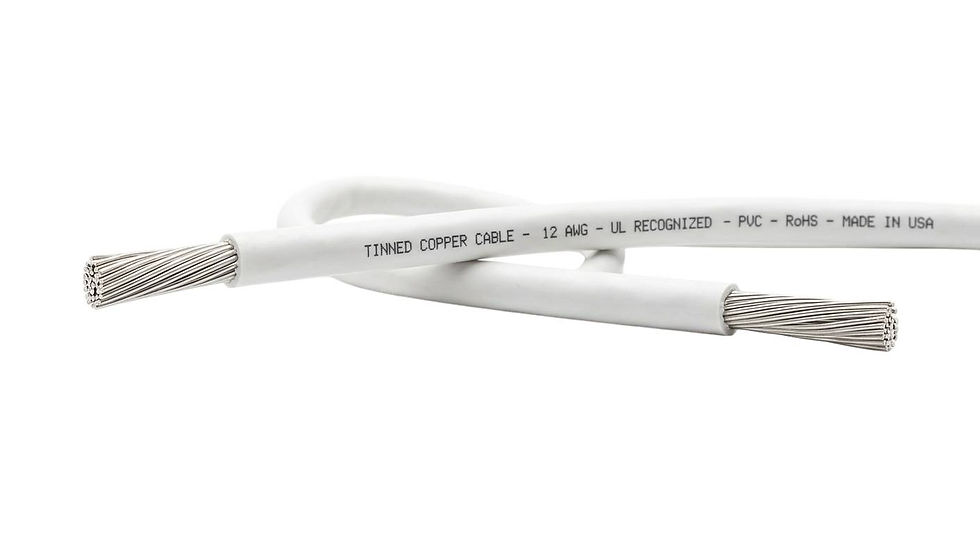
Tin-plated copper (also called tinned copper) is bare copper coated with a thin layer of tin. The tin layer is extremely thin, so it does not add much thickness or weight to the wire.
Why add tin at all? The main reason is protection. Tin acts as a barrier between the copper and the outside environment. This barrier slows down oxidation, which is the natural process that causes copper to turn dull, green, or corroded over time.
Tinned copper is a popular choice for copper wires used in humid, outdoor, or coastal areas, as well as marine and industrial applications where moisture exposure is common.
Bare Copper vs Tin-Plated Copper: Key Differences
Let's compare both conductors side by side so you can see exactly where they differ.
Feature | Bare Copper | Tin-Plated Copper |
Appearance | Shiny orange-red | Dull silver-grey coating |
Conductivity | Slightly higher, since there is no coating | Almost identical; the tin layer carries negligible current |
Corrosion resistance | Lower; oxidizes faster in moisture | Higher; tin layer resists oxidation |
Best used in | Dry, indoor, low-corrosion areas | Humid, outdoor, marine, or industrial areas |
Solderability | Good when fresh, but declines with age | Stays easy to solder for years |
Cost | More affordable | Slightly higher due to the tinning process |
Lifespan in harsh conditions | Shorter | Longer |
1. Conductivity: Which Carries Electricity Better?
Bare copper has a very slight edge here because it has no coating at all. Tin is also conductive, but not as good a conductor as copper. However, this difference is so small that it rarely matters in everyday use.
For the same wire thickness, bare copper and tinned copper perform almost identically in real-world electrical circuits. So conductivity alone should not be your only deciding factor.
2. Corrosion Resistance: Which Lasts Longer?
This is where the two conductors differ the most. Bare copper reacts with oxygen and moisture in the air. Over time, it develops a greenish layer called patina. In dry indoor spaces, this process is slow and rarely causes problems.
But in humid, coastal, or industrial environments, bare copper can corrode much faster. Corrosion increases resistance, weakens connections, and can eventually lead to wire failure.
Tin-plated copper resists this problem well. The tin coating acts like a protective shield, keeping moisture and corrosive elements away from the copper underneath. This is why tinned copper is often recommended for marine cables, outdoor wiring, and coastal installations.
3. Solderability: Which Is Easier to Join?
If you are working with wire joints or soldering connections, tinned copper has a clear advantage. Bare copper oxidizes on the surface over time, which can make soldering harder and less reliable.
Tin-plated copper stays easy to solder for a much longer time, since the tin layer prevents the surface oxidation that interferes with a clean solder joint.
4. Cost: Which Is More Budget-Friendly?
Bare copper is generally cheaper because it skips the tinning process. If your project is indoors, dry, and low-risk, bare copper gives you excellent performance without extra cost.
Tin-plated copper costs a bit more due to the additional coating process. But this extra cost often pays off in the long run through a longer service life and fewer replacements in harsh environments.
How Is Tin-Plated Copper Made?
The tinning process is fairly simple. Manufacturers pass bare copper wire through a bath of molten tin, or use an electroplating method to deposit a thin, even layer of tin onto the copper surface.
This coating is measured in microns, so it stays extremely thin. It does not change the wire's diameter in any noticeable way, and it does not make the wire heavier or stiffer. The goal is simply to seal the copper surface from air and moisture, while keeping the wire just as flexible and easy to handle as before.
Once coated, the wire is usually stranded and insulated, just like standard bare copper wire, before it becomes part of a finished cable.
Where Tinned Copper Really Proves Its Worth
Some industries rely on tin-plated copper more than others because their working conditions are simply tougher on standard wire. A few examples:
Marine and shipboard wiring, where salt air speeds up corrosion.
Solar panel installations, since these cables sit outdoors for years.
Coastal buildings and factories with high humidity or chemical fumes.
Locations with long-term moisture exposure, such as underground cabling in certain soil types.
In these situations, the extra protection tin-plated copper offers against oxidation can mean fewer repairs and a longer-lasting installation overall.
On the other hand, if your project is simple indoor house wiring or office wiring in a dry climate, you likely don't need this extra protection. Bare copper will serve you well and save you some money too.
Does Wire Gauge Change Anything?
No matter which conductor type you choose, wire gauge (thickness) still matters a lot. A thicker wire carries more current safely. This rule stays the same whether you pick bare copper or tin-plated copper.
Always match the wire gauge to your load requirement first, and then decide on bare vs tinned based on your environment. Getting the gauge wrong can cause overheating, regardless of the coating.
Common Misconceptions About Bare and Tin-Plated Copper
Myth 1: Tin-plated copper conducts electricity much better than bare copper
This is not true. The tin layer is so thin that it barely affects overall conductivity. Both types perform similarly for the same wire gauge.
Myth 2: Bare copper is always a bad choice
Not at all. Bare copper works perfectly well in dry, indoor conditions. Most residential wiring uses bare copper without any issues.
Myth 3: Tinned copper never corrodes
Tinned copper resists corrosion much better than bare copper, but it is not corrosion-proof forever. In extremely harsh conditions, even tinned copper needs proper cable design and insulation to last long.
Which One Should You Choose?
The right choice depends on where and how you plan to use the wire. Here is a simple way to decide:
Choose bare copper if: your wiring is indoors, in a dry area, and cost matters most to you.
Choose tin-plated copper if: your wiring will face moisture, humidity, coastal air, or outdoor exposure.
Choose tin-plated copper if: you need reliable, long-term solder joints, such as in marine or industrial equipment.
Choosing the Right Wire Insulation Matters Too
The conductor is only one part of the wire. The insulation around it also plays a big role in safety and performance. For general home and office wiring, PVC FR wires offer good flame-retardant protection at an affordable price.
If you need better protection against fire spread along with flame retardance, PVC FRLS wires are a smart upgrade, especially for buildings with higher safety requirements.
For spaces where low smoke and halogen output matter, such as hospitals, malls, or crowded buildings, PVC FRLSH wires reduce toxic smoke during a fire, making evacuation safer.
And for the highest level of fire safety, HFFR wires release very low smoke and no halogen gases, which is ideal for enclosed or public spaces.
Why Buy Your Wires and Cables from Eleczo
Whether you need bare copper or tin-plated copper conductors, the quality of the wire matters just as much as the material itself. Low-quality or duplicate wires can lead to overheating, power loss, and safety hazards.
Eleczo is a trusted online store for genuine electrical products. Every wire and cable listed on Eleczo comes from verified brands, so you can be confident about what you are buying. You can browse the full range of electrical wires and cables on Eleczo and compare options based on your exact requirement, whether that's conductor type, insulation, or application.
Buying genuine products also means better after-sales support and safer installations, which matters a lot when it comes to electrical work.
Final Thoughts
Bare copper and tin-plated copper are not rivals. They are simply suited to different environments. Bare copper gives you excellent conductivity and value for everyday indoor wiring. Tin-plated copper gives you extra protection where moisture, humidity, or long-term reliability matter most.
Understanding this difference helps you make a smarter, safer choice for your next electrical project.
Ready to buy? Explore genuine, verified wires and cables on Eleczo and pick the conductor that truly fits your needs.
Frequently Asked Questions
Is tin-plated copper better than bare copper?
Neither is universally 'better'. Tin-plated copper is better for humid, outdoor, or marine use. Bare copper is better for dry, indoor, cost-sensitive use.
Does tin coating reduce the flexibility of the wire?
No. The tin layer is extremely thin and does not change how flexible the wire is. Tin-plated copper bends and flexes just like bare copper.
Can I use bare copper outdoors?
You can, but it will corrode faster than tinned copper when exposed to rain, humidity, or salty air. For outdoor use, tin-plated copper is usually the safer choice.
Does tin plating affect electrical safety?
No. Tin-plated copper is just as safe as bare copper when used correctly with proper insulation and installation.
Which one is used in home wiring?
Bare copper is more commonly used in standard home wiring since most indoor spaces are dry and low-risk.
Why does tin-plated copper cost more?
The tinning process needs extra equipment, material, and time. This added step increases the manufacturing cost slightly, which is passed on in the wire's price.
Can bare and tinned copper wires be connected together?
Yes, they can be joined using proper connectors or soldering. However, for the best long-term reliability in damp conditions, it is better to keep the entire circuit consistent with one conductor type.


Comments